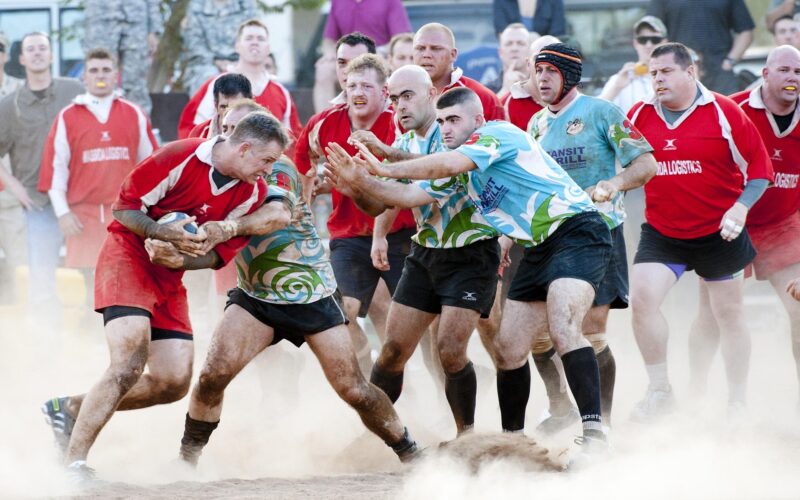
Engaging in team sports offers benefits that extend far beyond physical health and fitness. When individuals step onto a court, pitch, or field, they enter an environment that naturally fosters deep social connections and interpersonal growth. The shared experience of striving towards a common objective requires players to interact, adapt, and rely on one another in ways that are rarely replicated in everyday life. Through regular training sessions, competitive matches, and post-game reflections, participants develop a unique camaraderie. This continuous cycle of collaboration provides a fertile ground for strengthening relationships, as teammates learn to navigate both triumphs and setbacks together.
Building trust through mutual reliance
Trust forms the foundation of any strong relationship, and team sports provide an ideal setting to cultivate this essential trait. During a match, athletes must trust that their teammates will fulfil their specific roles, whether that involves defending a goal, executing a strategic pass, or providing cover during a counter-attack. This mutual reliance demands vulnerability, as individuals must let go of their ego and place their faith in the collective effort. Over time, this consistent demonstration of reliability translates into a profound sense of security and mutual respect. When players know they can depend on each other under the pressure of competition, that trust seamlessly spills over into their personal lives, creating bonds that endure long after the final whistle has blown.
The process of building this trust also encourages individuals to become more dependable. Knowing others are counting on them motivates players to attend training regularly and perform to the best of their abilities. This shared commitment fosters a sense of accountability crucial for maintaining healthy relationships. As teammates witness each other making sacrifices, they develop a deep appreciation for the dedication involved. This mutual admiration transforms a group of individual players into a cohesive community.
Fostering effective communication and empathy
Effective communication is another vital component of strong relationships that is rigorously tested and refined within team sports. In the heat of a game, players must exchange information rapidly and accurately to coordinate their movements and respond to dynamic situations. This requires clear, concise verbal instructions, as well as an acute awareness of non-verbal cues. Teammates learn to read each other's body language, anticipate actions, and adjust their own positioning accordingly. This heightened state of awareness improves overall communication skills, teaching individuals how to express themselves clearly and listen actively. These refined communication abilities are highly transferable, allowing individuals to navigate complex social interactions and resolve conflicts more effectively in their everyday lives.
Furthermore, participating in team sports naturally cultivates empathy among players. Athletes experience a wide spectrum of emotions throughout a season, ranging from the elation of a hard-fought victory to the disappointment of a narrow defeat. Sharing these intense emotional experiences fosters a deep sense of understanding and compassion. When a teammate makes a mistake, the supportive environment of a healthy squad encourages others to offer encouragement rather than criticism. This practice of putting oneself in another's shoes and providing emotional support strengthens the interpersonal connections between players. By learning to celebrate collective successes and navigate shared disappointments, individuals develop a more empathetic approach to their relationships outside the sporting arena.
Translating sporting resilience into everyday connections
Ultimately, the resilience built through team sports serves as a powerful catalyst for enduring relationships. Overcoming challenges together, such as pushing through physical exhaustion during a demanding training session, creates a shared narrative of perseverance. These collective struggles teach players how to support each other during difficult times and maintain a positive outlook. The ability to weather storms as a united front is an invaluable skill that significantly enhances personal ties. When individuals apply this cooperative mindset to their family dynamics and professional collaborations, they are better equipped to handle the inevitable challenges of life. The lessons learned on the pitch ultimately transform how people connect, proving that the true value of sports lies in the strength of the bonds they build.