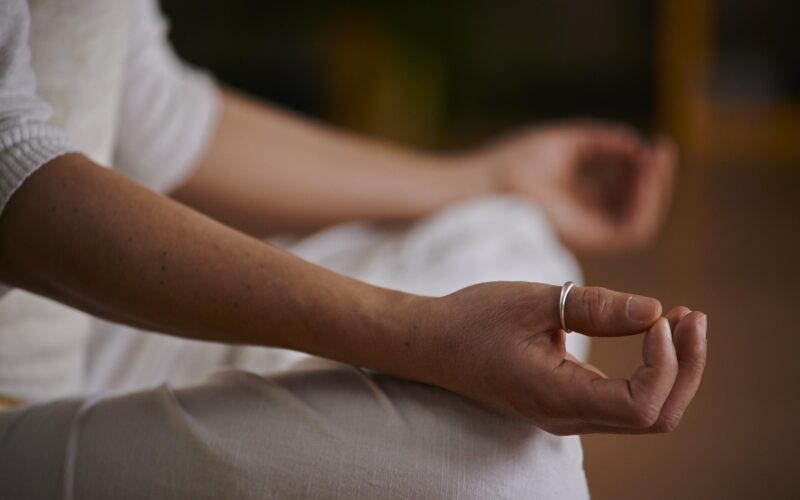
Relationships thrive on communication, but sometimes words can clutter the space between two people. When couples engage in shared meditation, they create a unique form of intimacy that relies not on verbal exchange, but on shared presence. Sitting together in silence allows partners to tune into each other's energy without the pressure to perform or problem-solve. This practice cultivates a deep sense of acceptance, as you witness your partner simply existing, stripped of daily roles and responsibilities. By dedicating time to be still together, you signal that your relationship is a sanctuary worth protecting from the noise of the outside world.
Research suggests that shared mindfulness activities can significantly increase relationship satisfaction. When you meditate with a partner, your nervous systems can actually begin to co-regulate. This means that as one person finds calm, their breathing slows and their heart rate settles, often influencing the other person to reach a similar state of relaxation. This biological synchronisation fosters a profound sense of safety and belonging. Over time, this daily ritual builds a reservoir of shared peace that couples can draw upon during stressful moments, making conflicts less volatile and easier to navigate.
Enhancing empathy and reducing reactive conflict
One of the most transformative aspects of mindfulness is the ability to observe thoughts and emotions without immediate reaction. When this skill is practised as a couple, it changes the dynamic of arguments and disagreements. Regular meditation strengthens the prefrontal cortex, the area of the brain responsible for emotional regulation and empathy. Consequently, partners who meditate together are often better equipped to pause before reacting defensively during a heated discussion. Instead of snapping back with a hurtful comment, they are more likely to take a breath, listen actively, and respond with understanding.
This heightened empathy extends beyond conflict resolution. It allows partners to be more attuned to each other's unspoken needs. You might notice your partner's stress levels rising before they even articulate them, allowing you to offer support proactively. Shared meditation encourages a non-judgmental awareness that helps you see your partner’s struggles with compassion rather than irritation. By fostering this 'beginner's mind'—seeing your partner anew each day rather than through the lens of past grievances—you keep the relationship fresh and prevent resentment from taking root. It transforms the relationship from a battleground of egos into a partnership of mutual growth.
Creating a consistent routine for mutual growth
Establishing a daily habit can be challenging for individuals, but doing it as a pair introduces a powerful element of accountability. When motivation wanes for one partner, the other can provide the gentle encouragement needed to return to the cushion. This shared commitment reinforces the idea that you are a team, working towards a common goal of mental well-being. The routine itself becomes a stabilizing anchor in the chaotic rhythm of modern life. Whether it is ten minutes in the morning before work or a quiet session before bed, this carved-out time serves as a daily reset button for the relationship.
Furthermore, this journey of mutual growth can open doors to deeper conversations. After a session, couples often feel more open and vulnerable, creating an ideal environment to discuss dreams, fears, or aspirations that might otherwise get lost in the shuffle of logistics and chores. It is not just about the act of meditating, but about the space it clears for authentic connection. As you both evolve individually through the practice, you also evolve together, ensuring that you grow in parallel directions rather than drifting apart.
Practical steps to starting your shared journey
Beginning a shared meditation practice does not require expensive retreats or expert guidance. It starts with a simple agreement to prioritize stillness. Find a quiet corner in your home where you won't be disturbed, and perhaps set a timer for just five or ten minutes to start. You might choose to sit back-to-back to feel the physical support of your partner, or simply sit side-by-side. Focus on the breath, or perhaps use a guided meditation app designed for couples. The key is consistency over duration; a short daily practice is far more effective than a sporadic hour-long session.
Remember that the goal is not to have a 'perfect' meditation where the mind is completely blank. The goal is the shared effort of returning to the present moment. There will be days when one of you is fidgety or distracted, and that is perfectly fine. Acknowledging these imperfections with a smile can be a bonding experience in itself. By approaching the practice with humour and patience, you turn what could be a chore into a cherished daily ritual that nurtures the very heart of your partnership.